
Compare eSIM Data Plans Now and Grab the Best Deal Before You Travel
eSIM data plans are a digital alternative to physical SIM cards, storing your carrier profile directly on your device’s embedded chip. They activate by scanning a QR code or using an app, allowing you to switch networks or purchase data without inserting a plastic card. This means you can add a local data plan instantly while traveling, keep your primary number active, and avoid roaming fees by downloading a plan before you land. Using them requires only a compatible smartphone or tablet, and you manage multiple plans through your device’s settings menu.
How Do Digital SIM Cards for Travel and Daily Use Actually Work?
An eSIM is a tiny chip soldered inside your phone that rewrites itself when you scan a QR code from a provider, letting you download a **data profile** instantly without swapping physical plastic. For travel, you buy a local or regional plan before departure; once you land, your device activates the profile, grabbing a local network automatically so you avoid roaming fees. Daily use works the same way—you can hold multiple profiles (e.g., a home carrier and a cheap data-only plan) and switch in your settings menu in under 30 seconds. Data flows through the same cellular radios as a physical SIM, so speed and coverage depend on the chosen network, not the format. Battery drain is negligible, but keep your primary SIM active for calls while routing data solely through the eSIM. *Q: Can I reuse one travel eSIM for multiple trips? A: No—most plans are single-use with expiry dates, though you can delete and re-download if the provider allows top-ups.*
What changes on your phone when you switch to an embedded SIM profile?
When you switch to an embedded SIM profile, your phone’s physical SIM tray becomes irrelevant, as the new profile instantly overwrites the active carrier credentials in the eSIM chip. Your signal bars and network name change without any hardware swap, and the old carrier’s settings are temporarily disabled, not deleted, so you can toggle back in seconds. Data roaming toggles, APN configurations, and carrier-specific SMS settings automatically recalibrate to match the embedded profile, while your contacts, photos, and apps remain untouched. Crucially, **your phone’s IMEI stays identical**, but the ICCID linked to the network vanishes, meaning you lose the physical SIM’s emergency call routing unless the eSIM profile explicitly mirrors it.
Why cellular data behaves differently on an eSIM versus a physical nano-SIM
Cellular data behaves differently on an eSIM versus a physical nano-SIM primarily because the eSIM’s profile is software-defined and remotely provisioned, allowing instant switching between carriers without swapping hardware. A physical SIM ties you to one operator’s network until you replace the card, while an eSIM can hold multiple profiles, letting you select a local data plan in seconds. The eSIM also uses the same baseband radio, so speed is identical, but **data routing and APN settings can differ per profile**, which may alter connectivity on certain bands. Network selection priority often favors the eSIM’s default carrier profile over manual operator choice, even if a stronger signal exists. This means your phone might latch to a weaker tower compared to a physical SIM.
Q: Why does my eSIM data feel slower than my physical SIM on the same phone?
A: The eSIM profile’s carrier-specific APN and roaming agreements can restrict access to certain LTE/5G bands or force a different gateway, while the physical SIM’s native carrier uses optimized routing—so speed differences stem from network configuration, not the chip itself.
What Should You Look for When Comparing Mobile Data Packages?
When comparing eSIM data plans, first scrutinize the coverage map for the exact countries you’ll visit—a “global” plan often throttles speeds in specific regions. Check the data allowance against your real usage patterns, not just the headline number, and verify whether unused data rolls over or expires with the plan’s validity window. Prioritize plans with a clear, transparent speed tier (e.g., 4G vs. 5G) because many budget eSIMs cap speeds after a soft limit without telling you. Also, confirm the plan’s hotspot/tethering policy, as some eSIMs prohibit it entirely, while others count it against your main balance. Always read the activation and installation steps for your specific device model, since QR-code compatibility varies between iPhone and Android, especially for newer dual-SIM setups. Beware that the cheapest per-gigabyte price often masks hidden fees for top-ups or re-activation after a single day of inactivity.
How to judge coverage maps, network speeds, and throttling policies before buying
Before grabbing an eSIM, don’t trust the pretty coverage map—zoom into the specific cities or regions you’ll actually visit, and check if the provider uses a local tower network versus a roaming partner, since roaming often means weaker signals indoors. For $1 eSIM speeds, look beyond the “5G” badge and search for real-user tests at peak hours, or use the provider’s fair-use fine print as a clue. Throttling policies hide in the “unlimited” plan’s small print, so count the exact gigabytes at full speed before your connection dips to 128 kbps. Finally, filter reviews for complaints about video buffering or upload lag—those reveal actual network speed reliability after data caps—and pick a plan with a short validity so you can bail if performance stinks.
Which package features matter most: unlimited caps, rollover data, or 5G access?
When comparing eSIM packages, prioritize unlimited caps only if your usage is erratic, since sustained heavy data often triggers fair-use throttling, making a high fixed allowance more predictable. Rollover data matters most for travelers whose consumption spikes between trips, but many eSIM plans expire before unused gigabytes accumulate, so check the validity window. 5G access is critical if you stream, video-call, or tether frequently, yet older devices won’t benefit from the extra speed. For most users, a generous soft-cap with 5G support beats an unlimited plan with restrictive speed limits or a rollover feature that rarely survives the plan’s short lifespan.
How Do You Activate and Install a New Data Package on Your Device?
To activate and install a new eSIM data package, first ensure your device is unlocked and connected to Wi-Fi. Navigate to **Settings > Cellular (or Mobile Data) > Add eSIM**, then scan the QR code provided by your carrier or manually enter the activation code. After the profile downloads, label it (e.g., “Travel”) and set it as your default data line. If you’re swapping packages, go to the same menu, select the existing eSIM, and choose “Remove” or “Erase” to free space, then repeat the scan process. For instant activation, some carriers send a deep link via email—tap it, and iOS/Android will auto-install the profile. Restart your phone once, and toggle data roaming if you’re abroad.
A crucial trick: always keep your primary line active for calls while setting the new eSIM as the data-only option to avoid billing surprises.
Finally, confirm the new package appears under “Data Plans” with your remaining balance.

Step-by-step process for scanning a QR code and adding a second line
To activate a second line on your eSIM, first open your device’s Settings, tap “Cellular” or “Mobile Data,” then choose “Add Cellular Plan.” Point your camera at the QR code provided by your carrier, ensuring the code fills the viewfinder entirely—hold steady until the plan details appear. After scanning, tap “Add Plan,” label it (e.g., “Travel” or “Work”), and set your default line for voice, messages, and data. Scanning the QR code and adding a second line takes under two minutes, but you must be connected to Wi-Fi or have a stable network for the download to complete. If prompted, enter the activation code included with your purchase. Rarely, a second scan is needed if the first attempt times out, so keep the QR code handy. Once installed, toggle between lines in Settings to manage data usage per plan.
Q: Can I scan a QR code for a second line while my primary eSIM is active?
Yes, your current line remains active during the process; the new plan installs alongside it, and you can switch data routing instantly after setup.
What to do if your phone has no signal after installing a remote SIM profile
If your phone shows no signal after installing a remote SIM profile, first toggle airplane mode on and off to force a fresh network registration. Next, manually select your carrier under Settings > Network, disabling “automatic” to refresh the tower connection. Verify that the eSIM profile is enabled for data and not set to a secondary line with no active plan. Restarting your device after activation often resolves stale modem cache issues. If the issue persists, delete and re-download the profile, ensuring you scan the QR code or enter the activation code while connected to Wi-Fi. Finally, check that your phone’s APN settings match the eSIM provider’s specifications. In rare cases, a carrier-side delay in provisioning can last up to 30 minutes, so wait before re-installing.
To fix no signal after a remote SIM install, toggle airplane mode, restart, manually select your carrier, reinstall the profile via Wi-Fi, and verify APN settings—waiting up to 30 minutes for provisioning if needed.
What Hidden Costs and Fees Should You Watch Out For?

When you’re hunting for an eSIM data plan, the quoted price rarely tells the whole story. Watch out for **hidden costs and fees** like activation charges that sneak onto your first bill, especially with some regional providers who advertise a low base rate. Also, check if the plan auto-renews at a much higher rate, or if there’s a “top-up” penalty for adding data mid-trip—that’s a classic fee trap. Some plans bill daily inactivity fees if you don’t use data for a few days, and don’t forget the sneaky VAT or service tax that gets added at checkout, not during the price comparison. Finally, refund policies often carry a processing fee, so if you cancel, you won’t get everything back. Always read the tiny print for these extra charges before swiping your card.
Understanding fair usage policies, top-up expiration dates, and idle charges
Fair usage policies in eSIM data plans often hide speed throttling after a certain gigabyte threshold, so check if “unlimited” actually means reduced 5G once you hit 20 GB. Top-up expiration dates are another trap: credits you add may vanish after 30 days, even if your main data pool remains active, forcing you to buy larger packages than needed. Idle charges apply when you stop using your plan for a billing cycle, with some providers docking a small fee to keep your number alive. Always map your travel timeline against these eSIM expiration and idle fee triggers before purchasing to avoid paying for data that lapses unused.
How to avoid accidental roaming bills when your primary physical SIM stays active
When your primary physical SIM remains active, accidental roaming charges often stem from default network settings, not deliberate use. Disable data roaming for the physical SIM within your device’s cellular menu, ensuring the eSIM’s data line is the sole bearer of mobile traffic. Additionally, turn off “Allow Switching” or similar auto-network-selection features, which can silently revert to the physical carrier’s network. Verify that SMS and voice fallback are also locked to the eSIM or Wi-Fi, since incoming texts trigger per-message charges. Even a single background update—like email fetch or app refresh—can incur a hit if the physical SIM is left unguarded. Finally, set the physical line to “No Service” in airplane mode, then re-enable Wi-Fi and the eSIM, to create a hard block against any unintended connection.
Can You Use One Mobile Data Subscription on Multiple Gadgets?
With an eSIM data plan, one subscription is tied to a single device’s profile, so you can’t legally share the same eSIM across multiple gadgets at once. However, practical workarounds exist: you can install the same eSIM QR code on only one device at a time, meaning you’d have to delete and re-download it to switch between a phone and tablet. For simultaneous use, your best bet is turning on your phone’s hotspot, which broadcasts that one plan’s data to other gadgets—though this drains battery and adds latency. Alternatively, check if your eSIM provider offers a multi-device add-on (some allow one plan to push a secondary profile to your watch or tablet for a small fee).
In short, one eSIM subscription equals one active device—share via hotspot, not by cloning the profile.
For true multi-gadget coverage, you’ll need separate data plans or a dedicated router with a data-only eSIM.
Sharing a plan between your smartphone, tablet, and smartwatch
With an eSIM data plan, sharing a plan between your smartphone, tablet, and smartwatch usually means using a single carrier account that provisions a secondary eSIM profile on each device. Your phone acts as the hub, and your tablet or watch pulls data from the same pool, so you don’t pay for separate subscriptions. For example, on an iPhone, you can enable “Cellular” on a paired Apple Watch, which mirrors your phone’s number and data usage. On Android, some carriers let you scan a QR code to add your tablet to the same plan—just check your carrier’s app for a “share data” toggle. One caveat: your smartwatch may only support a limited number like 5GB per month, so heavy streaming is best on the phone or tablet. This setup eliminates juggling multiple SIMs, and you can manage all devices from one dashboard.
How to manage a single data allowance across devices without extra fees
To manage a single data allowance across devices without extra fees, treat the eSIM-enabled smartphone as the dedicated hotspot hub. Enable the personal hotspot feature and connect tablets or laptops via Wi-Fi, ensuring the device stays within the shared pool. Avoid tethering through a separate “add-on” plan, which triggers surcharges; instead, verify your eSIM plan explicitly includes hotspot usage. For seamless switching, keep the host phone charged and use Wi-Fi sharing (e.g., Windows) to bridge connections. Monitor consumption through the carrier’s app, setting a hard limit alert before the allowance depletes. If a gadget lacks Wi-Fi, use Bluetooth tethering, which consumes less battery.
Centralize the eSIM on one phone, use built-in hotspot/tethering features, and monitor usage to split one allowance across devices with zero additional fees.
How Do You Troubleshoot Common Connectivity Problems with Digital Plans?
When an eSIM data plan fails, first toggle airplane mode for 30 seconds to force a re-registration with the local network. If that fails, manually select the operator in your device’s network settings, as automatic selection often locks onto a weak band. Next, confirm the eSIM profile is active and not set to a secondary line for data, especially on dual-SIM phones. Check that your plan’s APN settings match the provider’s documentation—incorrect APNs are a silent killer. For persistent issues, delete and re-download the eSIM profile using your original QR code or activation link, ensuring stable Wi-Fi during the process. Finally, verify roaming is enabled if you’re outside your plan’s home region. Q: Why does my eSIM show “No Service” indoors? A: Your device may be locked to a low-frequency band; switch from “5G Auto” to “4G LTE” in cellular options to regain a stable signal. If nothing works, contact your provider’s chat support—they can remotely refresh the profile within minutes.
Fixing slow speeds, APN misconfigurations, and profile download failures
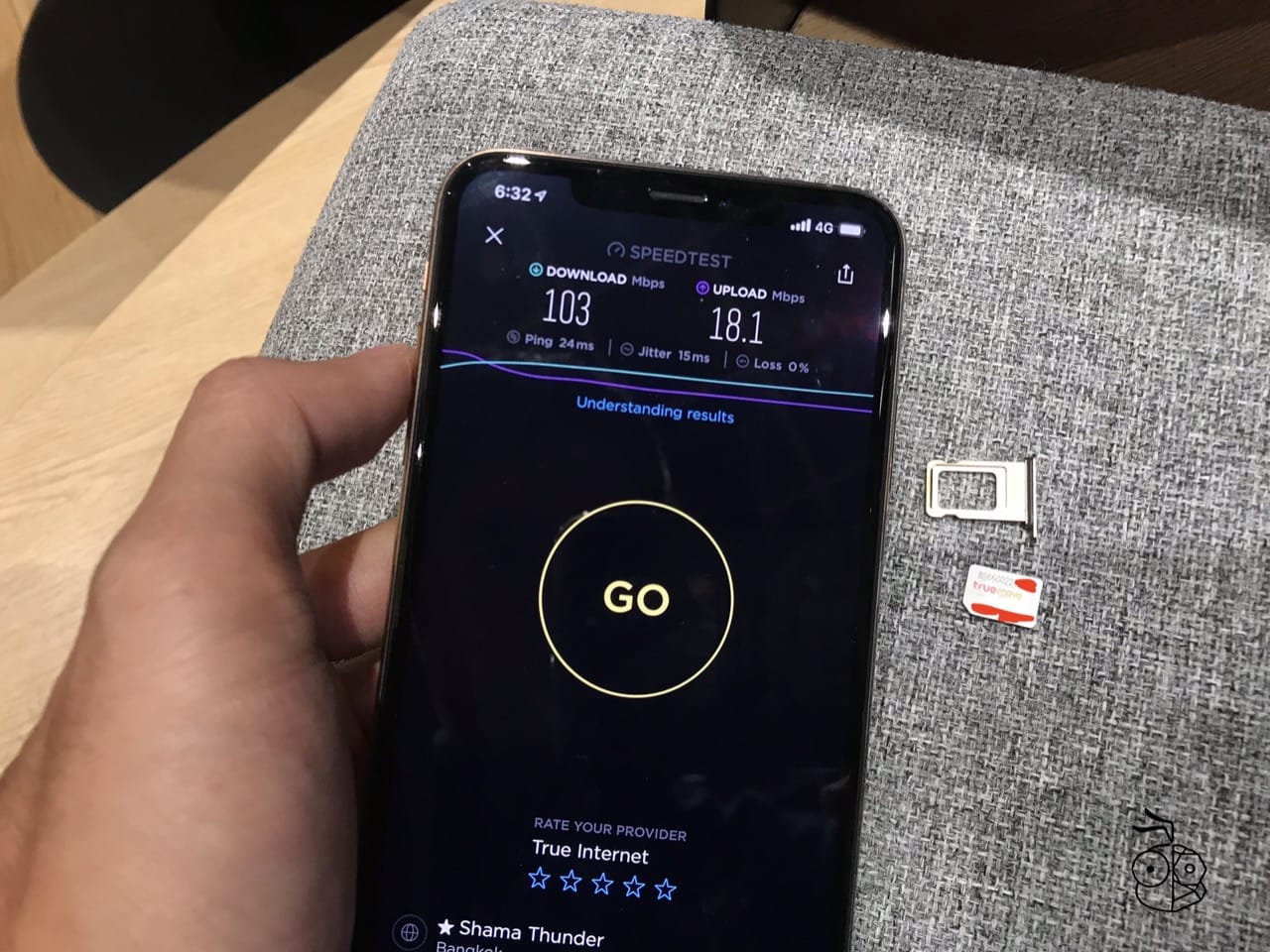
When your eSIM feels sluggish, start with a quick toggle—airplane mode on and off often fixes slow speeds by forcing a fresh network registration. If that fails, manually check your APN settings against your carrier’s exact values; a single misplaced character in the APN or authentication type can throttle data to a crawl. For profile download failures, disable Wi-Fi and use cellular data, then re-scan the QR code or re-enter the activation code—also, clear date/time auto-sync glitches by setting it to network-provided. Ensure your device’s carrier settings are updated, as outdated ones block the profile from installing. Correcting APN misconfigurations resolves most persistent speed and download issues.
Slow speeds, APN misconfigurations, and profile download failures all stem from small settings—toggle, verify APN, and re-download with Wi-Fi off to get back online fast.
What to check when you can send texts but cannot access the internet
When texts send but data fails on an eSIM, first verify that **cellular data roaming** is enabled for that specific line in your device’s settings, as SMS often bypasses the data toggle. Next, confirm the APN settings match your carrier’s exact string—an incorrect APN blocks internet while leaving messaging functional. Then, check if the eSIM has a separate data allowance; if your plan’s data bucket is exhausted, carriers commonly throttle or cut data but retain SMS. Finally, reboot and re-select the eSIM network manually to force a fresh registration.
Q: What to check when you can send texts but cannot access the internet?
A: Start with the data roaming toggle, then verify APN details, review remaining data quota, and perform a network re-scan under cellular settings.
